How Artificial Intelligence Is Transforming Industries Across the United States
Artificial Intelligence (AI) is no longer a futuristic concept; it is a transformative force reshaping industries across the United States. From healthcare and finance to manufacturing and education, AI is driving innovation, improving efficiency, and redefining what is possible in the modern economy. As businesses and organizations embrace this technology, they are unlocking new opportunities for growth, competitiveness, and customer engagement. This shift is not just about automation—it's about creating smarter systems that learn, adapt, and make decisions with increasing accuracy.
The Healthcare Revolution
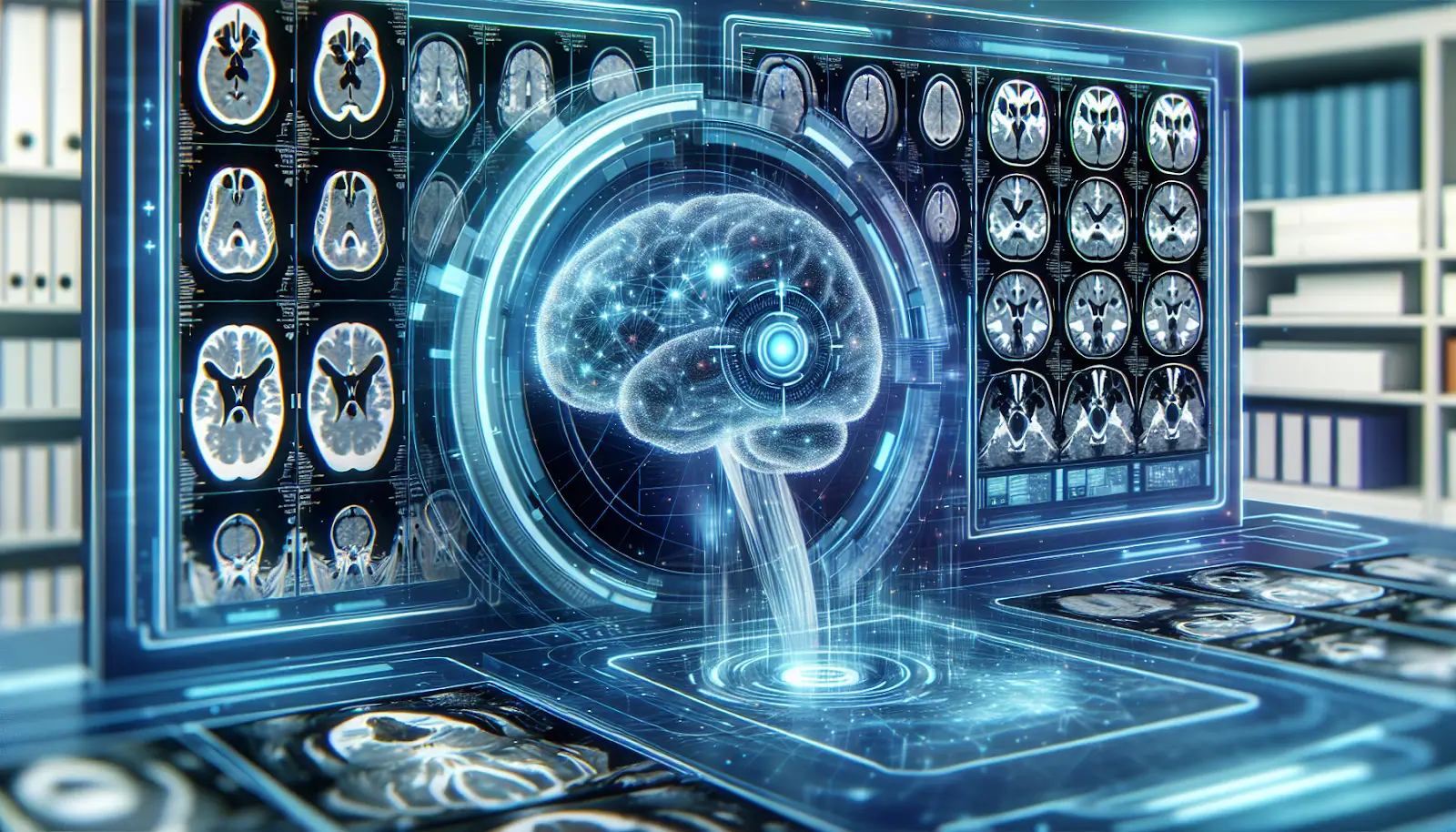
In the healthcare sector, AI is revolutionizing patient care, diagnostics, and treatment plans. Machine learning algorithms can analyze vast amounts of medical data, identifying patterns that human doctors might miss. For instance, AI-powered tools are now being used to detect early signs of diseases such as cancer and Alzheimer’s with remarkable precision. These technologies enable faster and more accurate diagnoses, leading to better patient outcomes. Additionally, AI-driven chatbots and virtual assistants are enhancing patient engagement by providing 24/7 support, answering queries, and even scheduling appointments. Hospitals and clinics are also using AI to optimize resource allocation, reduce wait times, and manage inventory more efficiently. As the U.S. healthcare system continues to evolve, AI will play an increasingly vital role in delivering personalized and effective care.
Transforming the Financial Sector
The financial industry has been one of the earliest adopters of AI, leveraging its capabilities to enhance security, streamline operations, and improve customer service. Banks and financial institutions are using AI to detect fraudulent transactions in real-time, reducing the risk of financial loss for both customers and institutions. AI-powered algorithms can analyze transaction patterns and flag suspicious activity, allowing for immediate action. Furthermore, robo-advisors—automated platforms that provide investment advice based on individual goals and risk tolerance—are making wealth management more accessible and affordable for a broader audience. In addition, AI is transforming customer service through chatbots and virtual assistants that handle inquiries, process transactions, and offer personalized recommendations. As the financial landscape becomes more competitive, AI is enabling companies to stay ahead by offering innovative solutions and superior user experiences.
Enhancing Manufacturing and Supply Chains
Manufacturing is another industry experiencing a significant transformation thanks to AI. Smart factories equipped with AI-driven robotics and sensors are optimizing production processes, reducing waste, and improving product quality. Predictive maintenance, powered by AI, allows manufacturers to anticipate equipment failures before they occur, minimizing downtime and saving costs. AI is also playing a crucial role in supply chain management, where it helps companies forecast demand, manage inventory, and streamline logistics. By analyzing historical data and market trends, AI systems can make informed decisions that improve efficiency and reduce delays. As U.S. manufacturers strive to remain competitive in a global market, AI is becoming an essential tool for achieving operational excellence and sustainability.
Reshaping Education and Learning
Education is another field where AI is making a profound impact. Personalized learning platforms use AI to tailor educational content to individual student needs, helping them learn at their own pace and in ways that suit their unique learning styles. Intelligent tutoring systems can provide real-time feedback, identify knowledge gaps, and suggest targeted resources to help students improve. Additionally, AI is streamlining administrative tasks, such as grading and attendance tracking, allowing educators to focus more on teaching and student engagement. Virtual reality and augmented reality, enhanced by AI, are also creating immersive learning experiences that bring complex concepts to life. As schools and universities continue to integrate AI into their curricula, the future of education looks more interactive, inclusive, and effective than ever before.
Ethical Considerations and Challenges
While the benefits of AI are undeniable, its rapid adoption also raises important ethical considerations and challenges. Issues such as data privacy, algorithmic bias, and job displacement are at the forefront of public and policy discussions. Ensuring that AI systems are transparent, fair, and accountable is critical to building trust and avoiding unintended consequences. Additionally, as AI automates certain tasks, there is a growing need for workforce reskilling and upskilling to prepare employees for the jobs of the future. Policymakers, businesses, and educators must work together to create a framework that supports responsible AI development and ensures that its benefits are equitably distributed across society.
The Future of AI in the U.S.
Looking ahead, the role of AI in the United States is expected to expand even further. As technology continues to advance, we can anticipate more sophisticated applications in areas such as climate change mitigation, urban planning, and national security. Collaboration between government agencies, private companies, and academic institutions will be key to fostering innovation and addressing the challenges associated with AI. With the right policies and investments, the U.S. can position itself as a global leader in AI, driving economic growth and improving the quality of life for millions of people. The journey of AI is just beginning, and its potential to transform industries and society is limitless.


Comments
Post a Comment