How 5G Network Impact is Reshaping the Future of Technology in the U.S.
How 5G network impact is reshaping the future of technology in the U.S. is a topic that has gained significant attention in recent years. As the fifth generation of wireless technology, 5G promises faster speeds, lower latency, and greater connectivity than ever before. This transformation is not just about improving mobile internet; it's about enabling a wide range of technological advancements that are set to redefine industries across the country. From healthcare to transportation, 5G is creating new possibilities that were once thought to be science fiction.
The Speed and Connectivity Revolution
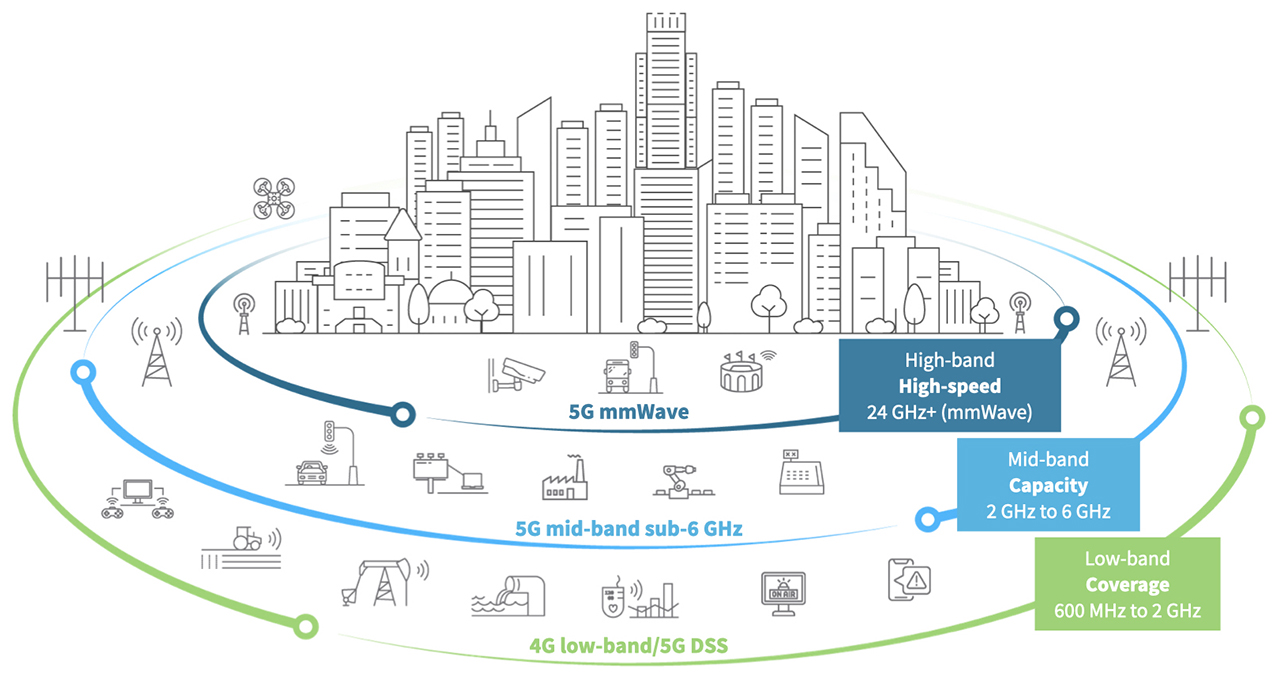
One of the most immediate and noticeable impacts of 5G is its speed. With download speeds potentially reaching up to 10 gigabits per second, 5G allows users to stream high-definition content, download large files, and engage in real-time interactions with unprecedented efficiency. This level of performance is crucial for applications that require constant data transfer, such as virtual reality (VR) and augmented reality (AR). For instance, medical professionals can now perform remote surgeries using VR, which requires ultra-fast and reliable connections to ensure precision and safety.
In addition to speed, 5G also offers significantly lower latency, meaning there is less delay between sending and receiving data. This is particularly important for autonomous vehicles, where split-second decisions can mean the difference between a safe journey and a potential accident. With 5G, cars can communicate with each other and with traffic infrastructure in real time, making roads safer and more efficient.
Transforming Industries
The impact of 5G extends beyond consumer use. It is revolutionizing entire industries, particularly in manufacturing and logistics. Smart factories equipped with 5G can leverage the Internet of Things (IoT) to monitor production lines, track inventory, and optimize supply chains in real time. This leads to increased efficiency, reduced costs, and improved product quality. For example, companies like General Electric have already begun integrating 5G into their operations, allowing for seamless communication between machines and systems.
In the agricultural sector, 5G is enabling precision farming through the use of sensors and drones. Farmers can monitor crop health, soil conditions, and weather patterns in real time, leading to better yields and more sustainable practices. This technology is especially beneficial for large-scale farms, where even small improvements in efficiency can result in significant financial gains.
Enhancing Public Services
Public services are also benefiting from the advancements brought by 5G. Emergency response systems, for instance, are becoming more effective with the integration of 5G technology. First responders can access real-time data, coordinate with each other, and even use drones to assess disaster areas quickly. This capability enhances the ability of emergency services to respond to crises efficiently and effectively.
Moreover, 5G is playing a vital role in the development of smart cities. These cities utilize IoT devices to manage resources such as energy, water, and waste more efficiently. By connecting various city systems, 5G enables real-time monitoring and management, leading to improved public services and a better quality of life for residents. For example, smart streetlights can adjust their brightness based on pedestrian and vehicle activity, reducing energy consumption and enhancing safety.
Challenges and Considerations
Despite the numerous benefits, the rollout of 5G networks is not without challenges. One of the primary concerns is the cost of infrastructure development. Building a 5G network requires significant investment in new hardware, including cell towers and fiber-optic cables. Additionally, there are concerns about the environmental impact of increased electronic waste and the potential health effects of 5G radiation, although these issues remain subjects of ongoing research and debate.
Another challenge is the need for regulatory frameworks that can keep pace with technological advancements. As 5G continues to evolve, policymakers must ensure that regulations are in place to protect consumers, promote competition, and address any potential security risks. This includes ensuring that data privacy laws are updated to reflect the realities of a connected world.
The Future of 5G
Looking ahead, the future of 5G in the United States is bright. As more businesses and consumers adopt this technology, we can expect to see even more innovative applications emerging. From enhanced telemedicine to immersive entertainment experiences, 5G is poised to transform how we live, work, and interact with the world around us.
Moreover, the continued expansion of 5G networks will likely lead to the development of new technologies that we cannot yet imagine. This could include advancements in artificial intelligence, blockchain, and quantum computing, all of which rely on fast and reliable connectivity. As the U.S. continues to invest in 5G infrastructure, it is essential to foster collaboration between government, industry, and academia to ensure that the benefits of this technology are realized across all sectors.
In conclusion, the impact of 5G network on the future of technology in the U.S. is profound and far-reaching. As we embrace this new era of connectivity, it is crucial to address the challenges and considerations that come with it while maximizing the opportunities it presents. The journey toward a fully connected and technologically advanced society is just beginning, and the possibilities are endless.


Comments
Post a Comment