Global Energy Transition Faces Challenges, But Innovations Offer Hope
The global energy transition, a critical component of the fight against climate change, has made only "marginal growth" in the past three years, according to a 2023 report by the World Economic Forum. Despite this slow progress, there is still hope as innovators continue to develop new technologies that could help countries meet their emissions targets and accelerate the shift toward renewable energy.
The Urgency of Renewable Energy Innovation
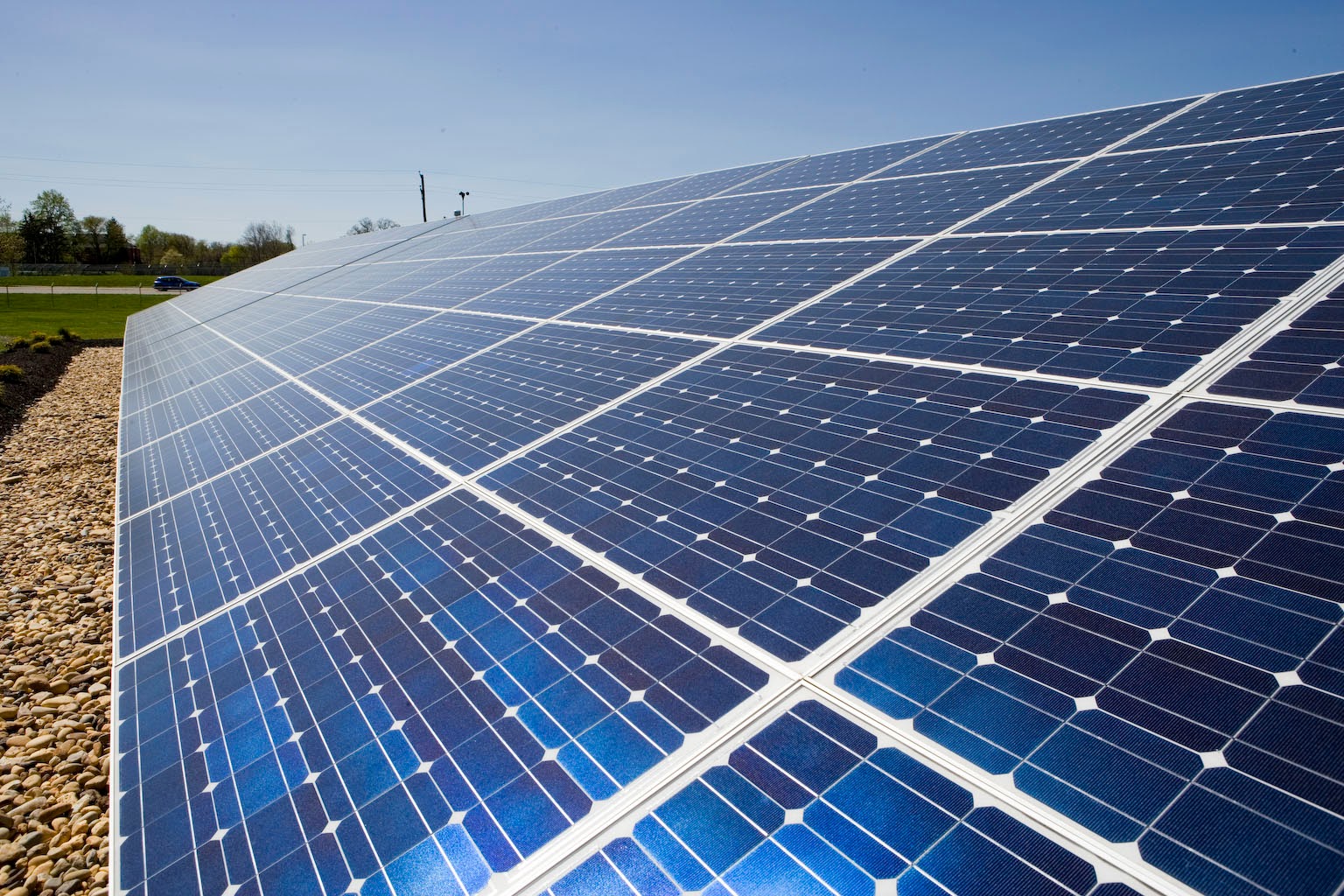
The Intergovernmental Panel on Climate Change (IPCC) warns that greenhouse gas emissions need to be nearly halved by 2030 to limit global warming to 1.5°C. This daunting challenge has prompted researchers and entrepreneurs around the world to explore innovative solutions that can make the transition to clean energy more efficient and accessible.
According to the World Economic Forum's Fostering Effective Energy Transition report, 95% of countries have improved their total Energy Transition Index score over the past decade. However, the pace of progress has slowed in recent years, highlighting the need for more effective and scalable solutions.
Five Innovations Driving the Energy Transition
Here are five groundbreaking innovations that are helping to reshape the future of renewable energy:
1. Solar and Wind Power Working Together
French start-up Unéole has introduced a unique solution that combines solar and wind power in a single unit. These compact systems are designed for use on flat rooftops of offices and apartment buildings. The platform uses multiple wind turbines under a photovoltaic roof, creating a silent and efficient system that generates 40% more energy than a pure solar setup. This hybrid approach ensures continuous power generation, even during periods of low sunlight.
2. Turbines That Never Turn
A US-based company, Aeromine, has developed a wind power system that doesn't rely on traditional turbines. Their three-meter tall generators sit on the edge of rooftops and use natural airflow to generate electricity. The system’s aerodynamic fins guide fast-rising air past an internal turbine, which the company claims produces 50% more power than other sustainable options. When paired with rooftop solar and battery storage, it can meet 100% of a building's energy needs.
3. Solar Canals
California, a state prone to droughts, is facing severe water shortages due to its reliance on open canals for water distribution. To address this issue, start-up SolarAquaGrid is trialing a project that covers these canals with solar panels. This initiative not only generates clean energy but also reduces evaporation, saving up to 283 billion liters of water annually if all 6,400 km of canals were covered. The potential impact on both water conservation and energy production is immense.
4. Solar Power Windows
California-based Ubiquitous Technology has developed transparent solar panels that can be used as windows. These windows allow visible light to pass through while absorbing and converting invisible ultraviolet and infrared light into electricity. The technology can generate up to 30% of a building's power needs, offering a seamless integration of renewable energy into urban architecture.
5. Making Water from Air
Source, a company specializing in water generation, has created hydropanels that extract water vapor from the air and convert it into drinking water. Fans inside the panels pull moisture from the atmosphere, which is then turned into liquid water and mineralized for consumption. One hydropanel could eliminate the need for 54,000 single-use plastic water bottles over its 15-year lifespan. With installations in 50 countries, this technology is making a significant impact in regions with limited access to clean water.
How Homeowners Can Participate in the Energy Transition
Homeowners and renters can also play a vital role in the energy transition by adopting clean energy solutions at home. Options include purchasing clean electricity, installing renewable energy systems like solar panels or small wind turbines, or using renewable resources such as passive solar or geothermal heat pumps for heating and cooling.
For those interested in improving their home’s energy efficiency, resources like Energy Saver and ENERGY STAR provide valuable information on federal and state incentives for renewable energy installations. These programs can help reduce costs and make the switch to clean energy more accessible for individuals and communities.
Conclusion
While the global energy transition faces challenges, the emergence of innovative technologies offers a promising path forward. From hybrid solar-wind systems to water-generating hydropanels, these advancements demonstrate the potential for a cleaner, more sustainable future. As governments and private sectors continue to invest in renewable energy, the goal of meeting climate targets becomes increasingly achievable.


Comments
Post a Comment