Clean Energy Innovations Shaping the Future of Sustainable Living in the U.S.
Clean energy innovations are rapidly transforming the landscape of sustainable living in the United States, driven by a combination of technological advancements, policy initiatives, and growing public awareness of environmental issues. As the nation grapples with the challenges of climate change, energy security, and economic sustainability, the shift toward renewable energy sources has become not just a priority but a necessity. From solar power to wind energy and beyond, the U.S. is witnessing a revolution that is redefining how energy is produced, distributed, and consumed.
The Rise of Solar Power: A Bright Future
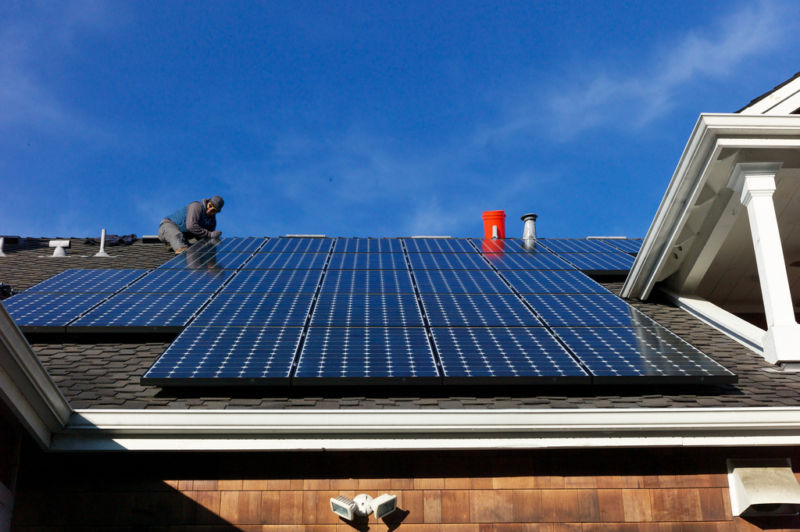
Solar energy has emerged as one of the most promising clean energy solutions in the U.S., with significant advancements in photovoltaic (PV) technology making it more efficient and affordable than ever before. The cost of solar panels has dropped dramatically over the past decade, thanks to improvements in manufacturing processes and increased competition among manufacturers. This affordability has led to a surge in residential and commercial solar installations, with millions of households now generating their own electricity from the sun.
In addition to technological progress, government incentives such as tax credits and rebates have played a crucial role in accelerating the adoption of solar energy. The federal Investment Tax Credit (ITC), for instance, has provided substantial financial support to homeowners and businesses investing in solar systems. These policies, combined with the decreasing cost of solar technology, have made it an attractive option for those looking to reduce their reliance on fossil fuels and lower their energy bills.
Wind Energy: Harnessing the Power of the Air
Wind energy is another key player in the clean energy revolution, with the U.S. boasting some of the world's largest wind farms. Advances in turbine design and materials have significantly increased the efficiency and capacity of wind power generation, allowing for larger-scale production of electricity from wind. Offshore wind projects, in particular, have gained momentum along the East Coast, where strong and consistent winds offer ideal conditions for large wind farms.
The growth of wind energy has also been supported by state-level renewable portfolio standards (RPS), which require utilities to source a certain percentage of their electricity from renewable sources. These mandates have spurred investment in wind infrastructure, creating jobs and stimulating local economies. Moreover, the integration of wind energy into the grid has improved through better forecasting technologies and energy storage solutions, ensuring a more stable and reliable power supply.
Innovations in Energy Storage: Powering the Grid
One of the biggest challenges in transitioning to a clean energy future is the intermittent nature of renewable sources like solar and wind. To address this issue, energy storage technologies have become a focal point of innovation. Battery storage systems, particularly lithium-ion batteries, have seen rapid advancements, enabling greater capacity and longer lifespan. These systems allow excess energy generated during peak production times to be stored and used when demand is high or when renewable sources are less productive.
In addition to batteries, other storage solutions such as pumped hydroelectric storage and thermal energy storage are being explored to enhance grid flexibility. These technologies help balance supply and demand, reducing the need for fossil fuel backup and improving the overall reliability of the energy system. As storage capabilities continue to evolve, they will play a vital role in achieving a fully integrated and sustainable energy network.
Policy and Public Support: Driving the Transition
Government policies and public support have been instrumental in shaping the trajectory of clean energy in the U.S. Federal and state governments have implemented a range of measures to promote renewable energy, including subsidies, research funding, and regulatory frameworks that encourage investment in clean technologies. The Biden administration's focus on climate action has further accelerated these efforts, with ambitious goals to achieve a carbon-free power sector by 2035 and net-zero emissions by 2050.
Public awareness and consumer demand have also contributed to the momentum behind clean energy. More Americans are choosing to invest in renewable energy options, whether through solar panel installations, electric vehicles, or participation in community solar programs. This grassroots movement reflects a growing commitment to sustainability and a desire to reduce environmental impact.
The Road Ahead: Challenges and Opportunities
Despite the progress made, the transition to a clean energy future is not without its challenges. Infrastructure upgrades, regulatory hurdles, and the need for continued technological innovation remain significant obstacles. However, these challenges also present opportunities for collaboration between government, industry, and communities to develop creative solutions and drive long-term sustainability.
As the U.S. continues to lead in clean energy innovations, the benefits of a sustainable energy future are becoming increasingly evident. From reduced greenhouse gas emissions to enhanced energy security and economic growth, the shift toward renewable energy is paving the way for a cleaner, healthier, and more resilient society. With ongoing advancements and a collective commitment to sustainability, the future of energy in the U.S. looks brighter than ever.


Comments
Post a Comment