Boost Your Small Business with the Top Benefits of Cloud Computing in the U.S.
Boosting small businesses in the United States has become increasingly reliant on innovative technologies, with cloud computing standing out as a game-changer. As more entrepreneurs look for ways to streamline operations, reduce costs, and enhance scalability, cloud computing offers a multitude of benefits that can be leveraged effectively. By shifting from traditional IT infrastructures to cloud-based solutions, small businesses can unlock new levels of efficiency and competitiveness. This shift not only allows for greater flexibility but also ensures that businesses can adapt quickly to market changes without the burden of maintaining physical servers or data centers.
Enhanced Accessibility and Flexibility
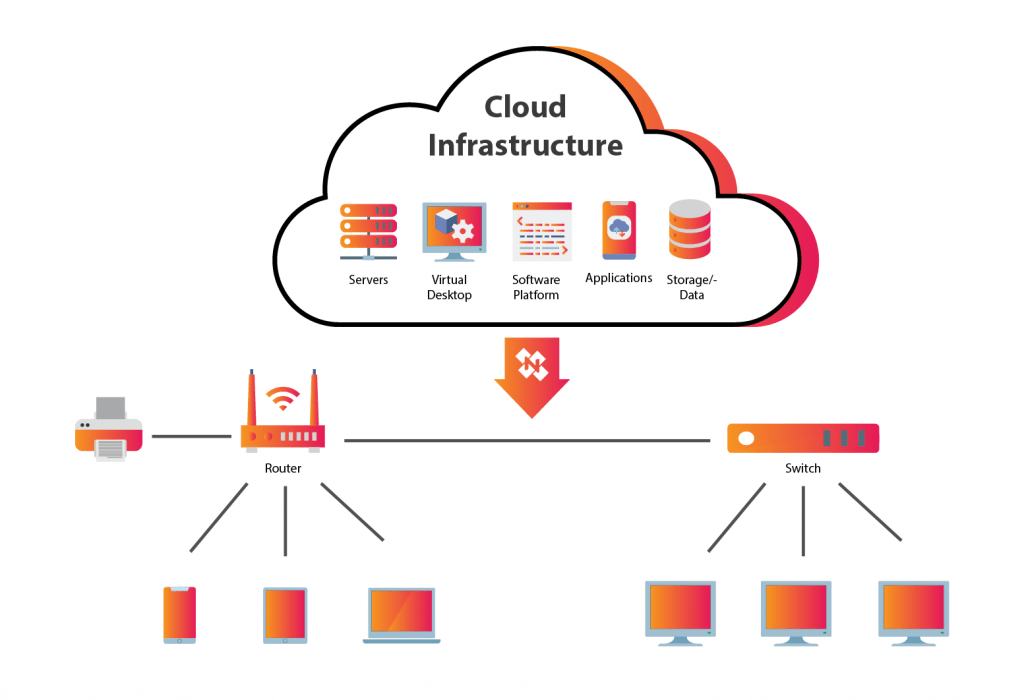
One of the most significant advantages of cloud computing is the enhanced accessibility it provides. With cloud services, employees can access business data and applications from anywhere, at any time, as long as there is an internet connection. This is particularly beneficial for small businesses that may have remote workers or teams spread across different locations. The ability to work seamlessly from various devices—laptops, tablets, or smartphones—ensures that productivity remains uninterrupted. Additionally, cloud computing offers flexible scaling options, allowing businesses to adjust their resource usage based on demand. This means that during peak times, additional computing power can be allocated, while during slower periods, resources can be scaled back to save costs.
Cost Efficiency and Reduced Overhead
For small businesses, managing costs is always a priority. Traditional IT setups often require significant upfront investments in hardware, software, and maintenance. In contrast, cloud computing operates on a pay-as-you-go model, where businesses only pay for the resources they use. This eliminates the need for large capital expenditures and reduces ongoing operational costs. Moreover, cloud service providers handle the maintenance, security, and updates of the infrastructure, which further reduces the burden on internal IT teams. By outsourcing these responsibilities, small businesses can focus more on core activities and less on technical upkeep.
Improved Data Security and Disaster Recovery
Data security is a critical concern for any business, regardless of size. Cloud computing providers invest heavily in advanced security measures, including encryption, multi-factor authentication, and regular security audits. These safeguards help protect sensitive business data from cyber threats and unauthorized access. Furthermore, cloud services offer robust disaster recovery solutions, ensuring that data can be quickly restored in the event of a system failure, natural disaster, or other unforeseen incidents. This level of protection is often more comprehensive than what many small businesses could afford to implement on their own.
Collaboration and Productivity Tools
Cloud computing also facilitates better collaboration among team members. Cloud-based platforms such as Google Workspace, Microsoft 365, and Dropbox allow multiple users to work on the same documents simultaneously, making it easier to manage projects and share information in real-time. These tools also include features like version control, commenting, and task management, which streamline workflows and improve overall productivity. For small businesses, this means that teams can operate more efficiently, even when working remotely or across different time zones.
Environmental Benefits and Sustainability
In addition to financial and operational benefits, cloud computing also contributes to environmental sustainability. By utilizing shared cloud infrastructure, businesses reduce the need for individual data centers, which consume significant amounts of energy and generate carbon emissions. Many cloud providers are committed to using renewable energy sources and implementing energy-efficient practices, making cloud computing a more eco-friendly option. For small businesses looking to adopt sustainable practices, transitioning to the cloud can be a strategic move that aligns with broader corporate social responsibility goals.
Key Considerations When Adopting Cloud Computing
While the benefits of cloud computing are clear, small businesses should also consider certain factors before making the transition. First, it is essential to choose a reliable cloud service provider that offers strong customer support and a proven track record in the industry. Businesses should also assess their specific needs and ensure that the chosen cloud solution can accommodate their current and future requirements. Data privacy and compliance are other important considerations, especially for businesses operating in regulated industries such as healthcare or finance. Finally, training employees on how to effectively use cloud-based tools is crucial to maximizing the value of the investment.
Conclusion
Cloud computing has emerged as a powerful tool for small businesses in the United States, offering a range of benefits that can drive growth and innovation. From enhanced accessibility and cost efficiency to improved security and collaboration, the advantages of adopting cloud solutions are undeniable. As technology continues to evolve, small businesses that embrace cloud computing will be better positioned to compete in an increasingly digital marketplace. By leveraging the right cloud services, small businesses can not only optimize their operations but also pave the way for long-term success.


Comments
Post a Comment