Blockchain Use Cases Beyond Cryptocurrency You Need to Know About in 2025
Blockchain technology has long been associated with cryptocurrency, but its potential extends far beyond digital currencies. As we approach 2025, the applications of blockchain are becoming increasingly diverse and impactful across various industries. From supply chain management to healthcare, the decentralized nature of blockchain is revolutionizing how data is stored, shared, and secured. Understanding these use cases is essential for anyone looking to stay ahead in the rapidly evolving tech landscape.
Supply Chain Transparency
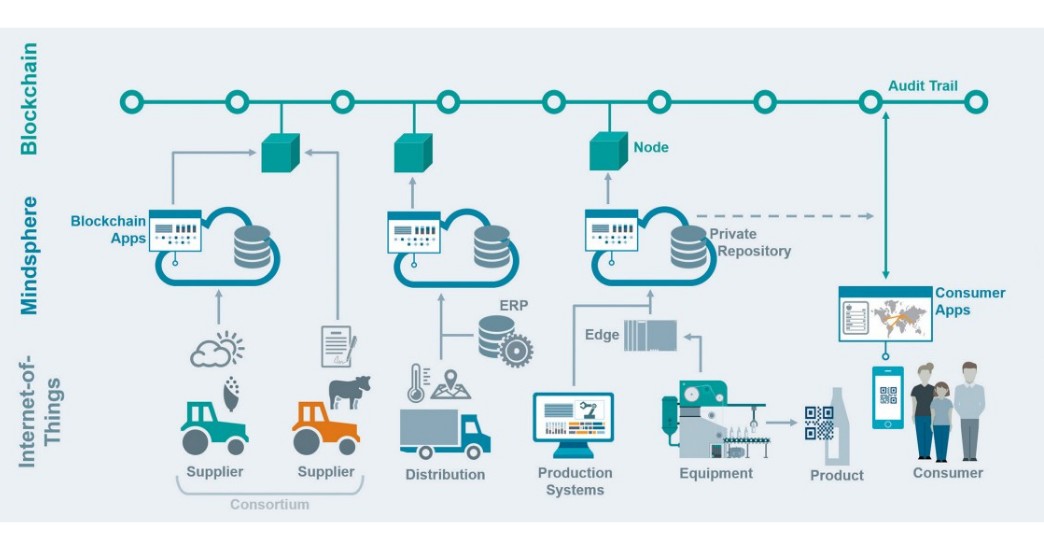
One of the most promising applications of blockchain in 2025 is in enhancing supply chain transparency. Traditional supply chains often suffer from inefficiencies, lack of visibility, and issues with data integrity. Blockchain offers a solution by providing a secure, immutable ledger that records every transaction and movement of goods. This level of transparency allows companies to track products from their origin to the end consumer, ensuring authenticity and reducing fraud. For example, major retailers are using blockchain to verify the ethical sourcing of products, such as conflict-free diamonds or sustainably sourced coffee.
Healthcare Data Management
The healthcare industry is another sector where blockchain is making significant strides. Managing patient data securely and efficiently is a critical challenge for healthcare providers. Blockchain can offer a decentralized platform for storing and sharing medical records, ensuring that patients have control over their own data while allowing authorized healthcare professionals to access it when needed. This not only improves data security but also streamlines processes, reduces administrative costs, and enhances patient care. In 2025, we can expect to see more widespread adoption of blockchain-based health information exchanges, which will enable seamless data sharing between different healthcare institutions.
Voting Systems
Another groundbreaking use case for blockchain in 2025 is in the realm of voting systems. Electronic voting has faced numerous challenges, including concerns about security, fraud, and voter disenfranchisement. Blockchain technology provides a robust solution by creating a tamper-proof record of votes. Each vote is recorded on a distributed ledger, making it nearly impossible to alter or manipulate. This can increase trust in the electoral process and ensure that every vote is counted accurately. Countries around the world are beginning to explore blockchain-based voting systems, and by 2025, we may witness the implementation of secure, transparent, and efficient digital voting platforms.
Real Estate Transactions
The real estate industry is also embracing blockchain to streamline transactions and reduce the risk of fraud. Property records, contracts, and title transfers can be securely stored on a blockchain, eliminating the need for intermediaries and reducing the time and cost associated with traditional real estate transactions. Smart contracts, which are self-executing contracts with the terms of the agreement directly written into code, can automate many aspects of property sales and rentals. This not only speeds up the process but also minimizes the potential for disputes. In 2025, we can anticipate a shift towards more digitized and transparent real estate markets, driven by blockchain technology.
Intellectual Property Protection
Protecting intellectual property (IP) is a growing concern for creators and innovators. Blockchain offers a powerful tool for safeguarding IP rights by providing a permanent and unalterable record of ownership. Artists, musicians, and inventors can use blockchain to register their work, ensuring that they retain control over their creations and receive proper compensation. This is particularly important in the digital age, where content can be easily copied and distributed without permission. By 2025, blockchain-based IP management systems are expected to become more prevalent, offering a reliable solution for protecting creative works.
Financial Services
While cryptocurrency remains a prominent use case for blockchain, its impact on traditional financial services is equally significant. Banks and financial institutions are leveraging blockchain to improve the efficiency and security of their operations. From cross-border payments to trade finance, blockchain can reduce transaction times, lower costs, and enhance transparency. Additionally, blockchain-based identity verification systems are helping to combat fraud and improve customer onboarding processes. As we move into 2025, the integration of blockchain into the financial sector is expected to accelerate, leading to a more secure and efficient global financial ecosystem.
Conclusion
As we look ahead to 2025, it is clear that blockchain technology is poised to transform numerous industries beyond cryptocurrency. Its ability to provide secure, transparent, and efficient solutions makes it an invaluable tool for addressing complex challenges. Whether it's improving supply chain management, enhancing healthcare data security, or revolutionizing voting systems, blockchain is proving to be a game-changer. For businesses and individuals alike, understanding and embracing these use cases will be crucial for staying competitive and leveraging the full potential of this transformative technology.


Comments
Post a Comment