Blockchain Use Cases Beyond Cryptocurrency Explained
Blockchain technology has long been associated with cryptocurrencies like Bitcoin and Ethereum, but its potential extends far beyond digital money. As the technology matures, businesses, governments, and individuals are discovering innovative ways to leverage blockchain for secure, transparent, and efficient processes. From supply chain management to healthcare, the applications of blockchain are reshaping industries in profound ways. This article explores some of the most promising use cases of blockchain technology outside the realm of cryptocurrency.
Supply Chain Transparency
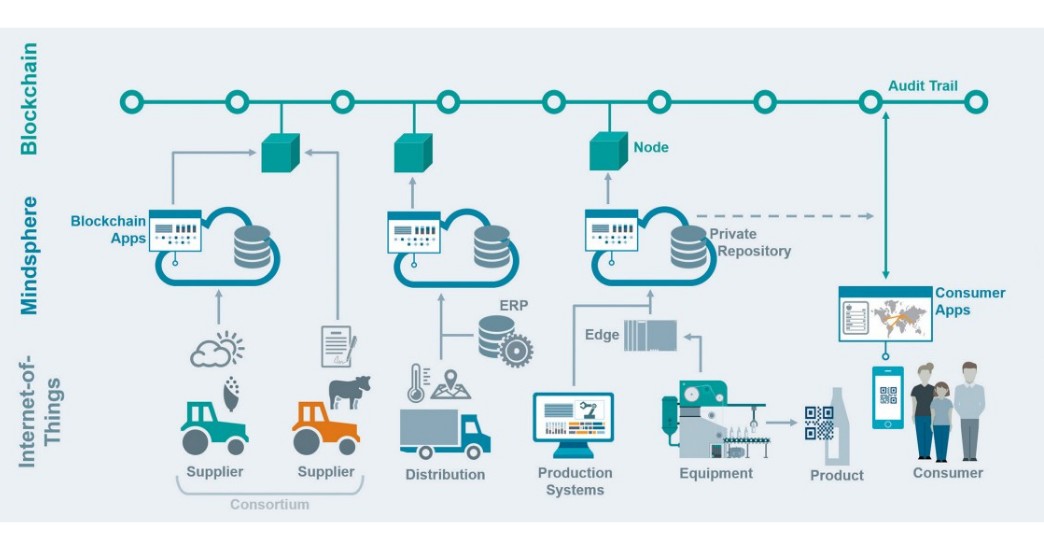
One of the most significant applications of blockchain is in enhancing supply chain transparency. Traditional supply chains often suffer from inefficiencies, lack of visibility, and issues with data integrity. Blockchain provides a decentralized ledger that records every transaction and movement of goods across the supply chain. This ensures that all stakeholders have access to real-time, accurate information about the origin, journey, and status of products. For example, companies like Walmart and IBM have partnered to track food items using blockchain, allowing them to quickly trace the source of contaminated products and prevent widespread health issues.
Secure Data Management
In an era where data breaches and cyberattacks are increasingly common, blockchain offers a robust solution for secure data management. The technology's inherent security features, such as encryption and immutability, make it ideal for storing sensitive information. Healthcare organizations, for instance, are using blockchain to securely store and share patient records. This not only protects patient privacy but also ensures that medical professionals have access to accurate and up-to-date information. Additionally, blockchain can be used to verify the authenticity of documents, reducing fraud and increasing trust in digital transactions.
Smart Contracts
Smart contracts are self-executing contracts with the terms of the agreement directly written into code. These contracts automatically execute when predefined conditions are met, eliminating the need for intermediaries. In the real estate industry, smart contracts can streamline property transactions by automating the transfer of ownership once payment is confirmed. Similarly, in the insurance sector, smart contracts can expedite claims processing by automatically triggering payouts when certain events occur, such as a car accident or natural disaster. This reduces administrative costs and speeds up the overall process.
Voting Systems
Blockchain has the potential to revolutionize voting systems by providing a secure and transparent method for conducting elections. Traditional voting methods are vulnerable to fraud, tampering, and errors, which can undermine public trust. By using blockchain, each vote can be recorded on a tamper-proof ledger, ensuring that the results are accurate and verifiable. Countries like Estonia have already implemented blockchain-based e-voting systems, demonstrating the feasibility of this approach. As more nations explore digital governance solutions, blockchain could play a crucial role in ensuring fair and secure elections.
Identity Verification
Identity theft and fraud are major concerns in the digital age, and blockchain offers a promising solution for secure identity verification. Decentralized identity systems allow individuals to control their personal data and share it selectively with trusted parties. This reduces the risk of data breaches and gives users greater autonomy over their digital identities. For example, Microsoft has developed a blockchain-based identity platform called ION, which enables users to create and manage their digital identities without relying on centralized authorities. This technology has the potential to transform how we interact online and protect our personal information.
Financial Services
While blockchain is closely linked to cryptocurrencies, its impact on traditional financial services is equally significant. Banks and financial institutions are exploring blockchain to improve the efficiency and security of their operations. For instance, cross-border payments can be processed faster and at lower costs using blockchain technology, as it eliminates the need for multiple intermediaries. Additionally, blockchain can be used to create more transparent and efficient trading platforms, reducing the risk of market manipulation and increasing investor confidence.
Intellectual Property Protection
Creators and innovators often struggle to protect their intellectual property in the digital world. Blockchain provides a reliable way to register and verify ownership of creative works, such as music, art, and software. By recording the creation and ownership of assets on a blockchain, artists and inventors can establish a clear and immutable record of their work. This helps prevent unauthorized use and ensures that creators receive proper compensation for their contributions. Platforms like Ujo Music and Audius are already leveraging blockchain to empower artists and give them more control over their content.
Conclusion
Blockchain technology is no longer just a buzzword; it is a powerful tool with diverse applications across various industries. From supply chain management to secure data storage, smart contracts to voting systems, the potential of blockchain is vast and continually expanding. As more organizations recognize the benefits of this technology, we can expect to see even more innovative use cases emerge. Whether it's improving transparency, enhancing security, or streamlining processes, blockchain is proving to be a game-changer in the digital landscape.


Comments
Post a Comment