Blockchain Technology: Revolutionizing the Future of Business and Innovation in the United States
Blockchain technology has emerged as a transformative force in the United States, reshaping industries and redefining how businesses operate. At its core, blockchain is a decentralized digital ledger that records transactions across a network of computers, ensuring transparency, security, and immutability. This innovation has sparked a wave of change, particularly in sectors such as finance, supply chain management, healthcare, and real estate. As more organizations adopt this technology, it's clear that blockchain is not just a passing trend but a fundamental shift in how data and value are exchanged. The potential for disruption is immense, with experts predicting that blockchain will continue to influence business models and drive innovation in the years to come. 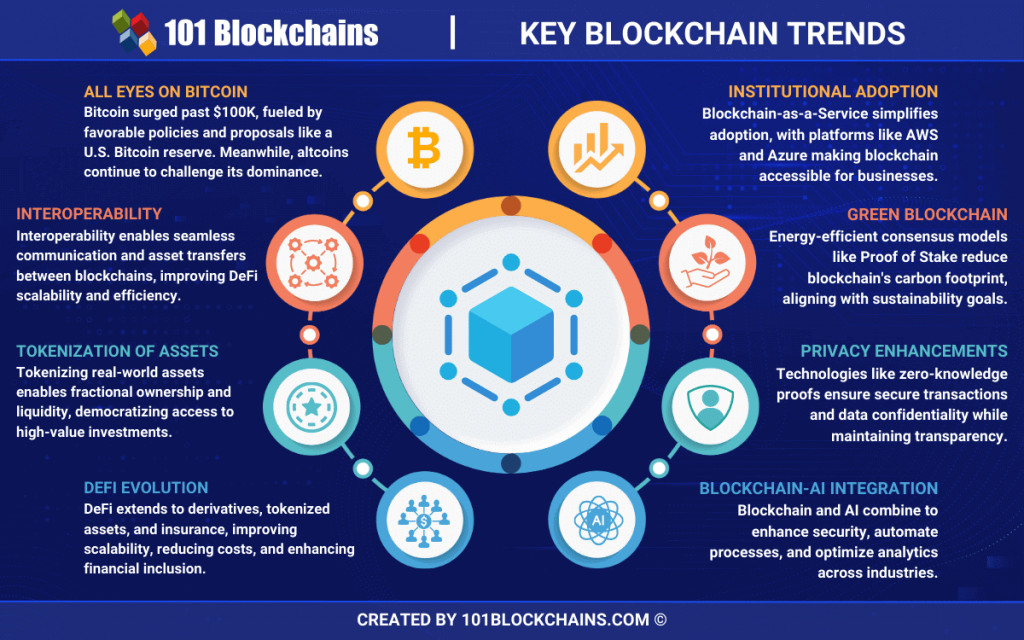
The Rise of Decentralized Finance (DeFi)
One of the most significant areas where blockchain is making an impact is in the realm of decentralized finance, or DeFi. Traditional financial systems often rely on intermediaries such as banks and brokerages to facilitate transactions, which can be time-consuming and costly. In contrast, DeFi platforms leverage blockchain to create peer-to-peer financial services, eliminating the need for middlemen. This has led to the rise of cryptocurrency exchanges, lending platforms, and stablecoins that operate without centralized control. In the United States, DeFi has gained traction among both individual investors and institutional players, with many startups and established firms exploring ways to integrate blockchain into their financial offerings. The appeal of DeFi lies in its ability to provide greater financial inclusion, lower transaction fees, and faster settlement times, making it an attractive alternative to traditional banking systems.
Enhancing Supply Chain Transparency
Another critical application of blockchain technology is in enhancing supply chain transparency. In an increasingly globalized economy, tracking the movement of goods from production to consumption can be complex and prone to inefficiencies. Blockchain offers a solution by providing an immutable record of each step in the supply chain, allowing stakeholders to verify the origin, authenticity, and condition of products. This level of transparency is especially valuable in industries such as agriculture, pharmaceuticals, and luxury goods, where counterfeiting and fraud are persistent challenges. Companies in the United States are beginning to adopt blockchain-based solutions to improve traceability, reduce costs, and build consumer trust. For example, major retailers are using blockchain to track the sourcing of ethically produced goods, while manufacturers are leveraging smart contracts to automate payments and ensure compliance with quality standards.
Securing Data and Identity Management
With the increasing prevalence of cyber threats and data breaches, securing sensitive information has become a top priority for businesses and individuals alike. Blockchain technology provides a robust framework for data security through its cryptographic algorithms and distributed architecture. By decentralizing data storage, blockchain reduces the risk of a single point of failure, making it significantly harder for hackers to compromise systems. Additionally, blockchain enables secure identity management, allowing users to control their personal information without relying on third-party verification. This is particularly relevant in the United States, where concerns over privacy and data misuse have led to growing demand for more secure digital solutions. Financial institutions, government agencies, and healthcare providers are exploring blockchain-based identity systems to streamline processes, prevent fraud, and protect user data.
The Role of Government and Regulation
As blockchain technology continues to evolve, the role of government and regulatory bodies becomes increasingly important. While the decentralized nature of blockchain presents unique challenges for oversight, policymakers in the United States are working to establish a balanced framework that encourages innovation while protecting consumers. Regulatory efforts have focused on areas such as cryptocurrency taxation, anti-money laundering (AML) compliance, and the licensing of blockchain-based financial services. The goal is to create a regulatory environment that fosters growth without stifling technological advancement. However, the pace of innovation often outstrips the speed of regulation, leading to uncertainty for businesses operating in the space. Despite these challenges, many industry leaders believe that clear and consistent regulations will be essential for the long-term success of blockchain in the United States.
Future Prospects and Challenges
Looking ahead, the future of blockchain technology in the United States remains promising, but not without its challenges. Scalability, interoperability, and energy consumption are among the key issues that developers and researchers are working to address. While some blockchains, such as Bitcoin and Ethereum, have demonstrated remarkable resilience, they still face limitations in terms of transaction speed and environmental impact. To overcome these hurdles, new blockchain protocols and layer-2 solutions are being developed to enhance performance and sustainability. Additionally, collaboration between private sector innovators and public institutions will be crucial in shaping the next phase of blockchain adoption. As more companies explore the potential of this technology, it is likely that we will see continued advancements in how data is stored, shared, and secured across various industries.
Conclusion
Blockchain technology is poised to revolutionize the future of business and innovation in the United States. From transforming financial systems to improving supply chain efficiency and enhancing data security, the applications of blockchain are vast and far-reaching. While challenges remain, the potential benefits of this technology are undeniable, and its impact is only expected to grow in the coming years. As businesses and governments adapt to this new paradigm, the United States is well-positioned to lead the way in harnessing the power of blockchain for the benefit of society as a whole.


Comments
Post a Comment