AI-Powered Automation: Transforming Business Efficiency in the Modern Era
AI-Powered Automation: Transforming Business Efficiency in the Modern Era
In today's fast-paced business environment, companies are constantly seeking ways to improve productivity, reduce costs, and stay ahead of the competition. One of the most significant advancements driving this transformation is AI-powered automation. By integrating artificial intelligence into various business processes, organizations can streamline operations, enhance decision-making, and deliver better customer experiences. This article explores how AI-driven automation is reshaping the modern business landscape and why it has become a critical tool for success.
The Rise of AI in Business Operations
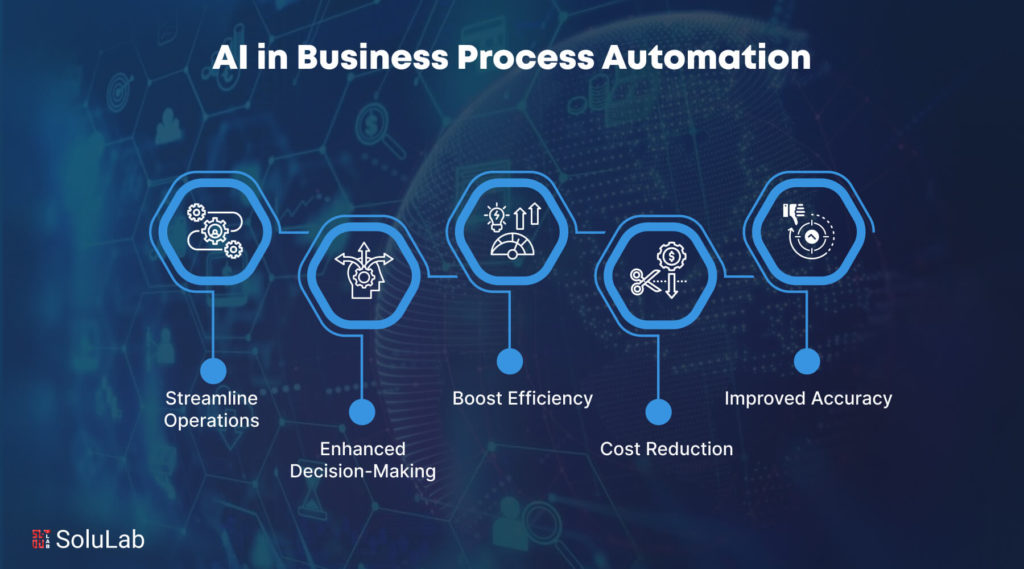
Artificial intelligence has evolved from a futuristic concept to a practical solution that businesses of all sizes are adopting. AI-powered automation refers to the use of machine learning algorithms, natural language processing, and robotic process automation (RPA) to perform tasks that were traditionally done by humans. These technologies can handle repetitive, data-intensive tasks with greater speed and accuracy, freeing up employees to focus on more strategic and creative work.
For example, customer service departments are increasingly using chatbots powered by AI to respond to common inquiries, reducing the need for human agents. Similarly, supply chain management systems leverage AI to predict demand, optimize inventory levels, and minimize delays. As these technologies continue to advance, their impact on business efficiency is becoming more profound.
Enhancing Productivity Through Intelligent Systems
One of the primary benefits of AI-powered automation is its ability to boost productivity. By automating routine tasks, businesses can eliminate manual errors, reduce processing times, and ensure consistent results. For instance, in finance and accounting, AI tools can automatically generate reports, reconcile accounts, and detect fraudulent transactions. This not only saves time but also improves the accuracy of financial data.
Moreover, AI-driven analytics enable businesses to make data-informed decisions in real-time. Machine learning models can analyze vast amounts of data to identify trends, forecast outcomes, and recommend actions. This level of insight allows companies to respond quickly to market changes and stay competitive. Whether it's optimizing marketing campaigns or improving operational workflows, AI is helping businesses achieve higher efficiency and performance.
Streamlining Customer Experiences
Customer experience is a crucial factor in the success of any business, and AI-powered automation is playing a key role in enhancing it. Personalization is now expected by consumers, and AI helps businesses deliver tailored experiences at scale. For example, e-commerce platforms use AI to recommend products based on user behavior, while banks employ chatbots to provide 24/7 support and assistance.
Additionally, AI can analyze customer feedback through sentiment analysis, allowing companies to understand customer needs and preferences more effectively. This information can be used to refine products, improve services, and build stronger relationships with customers. As a result, businesses that embrace AI automation are not only improving efficiency but also fostering loyalty and satisfaction among their clientele.
Reducing Costs and Increasing Scalability
Cost reduction is another major advantage of AI-powered automation. By automating tasks that require significant human resources, businesses can lower labor costs and allocate budgets more effectively. For instance, RPA can handle data entry, invoice processing, and other administrative functions without the need for additional staff. This is particularly beneficial for small and medium-sized enterprises that may have limited resources.
Furthermore, AI systems can scale easily as businesses grow. Unlike traditional processes that may require hiring more employees or investing in new infrastructure, AI solutions can adapt to increased workloads with minimal effort. This scalability ensures that companies can maintain efficiency and agility even as they expand their operations.
Challenges and Considerations
While the benefits of AI-powered automation are clear, there are also challenges that businesses must address. One of the main concerns is the initial investment required to implement AI technologies. Developing or purchasing AI solutions can be costly, and companies must carefully evaluate the return on investment. Additionally, there is a need for skilled professionals who can manage and maintain these systems.
Another challenge is the potential for job displacement. As AI takes over certain tasks, some roles may become obsolete, leading to workforce restructuring. However, many experts argue that AI will create new opportunities rather than replace jobs entirely. By reskilling employees and focusing on higher-value tasks, businesses can navigate these changes effectively.
The Future of AI-Powered Automation
As technology continues to evolve, the future of AI-powered automation looks promising. With advancements in machine learning, computer vision, and predictive analytics, businesses will have even more tools to enhance efficiency and innovation. The integration of AI with other emerging technologies, such as the Internet of Things (IoT) and blockchain, is also expected to unlock new possibilities.
In conclusion, AI-powered automation is revolutionizing the way businesses operate. From boosting productivity and reducing costs to improving customer experiences and enabling scalability, the impact of AI is undeniable. As more companies adopt these technologies, the modern era of business efficiency is being redefined. Embracing AI is no longer just an option—it is a necessity for staying competitive in today’s dynamic marketplace.


Comments
Post a Comment