AI Chatbot: Revolutionizing Customer Service in the United States
AI chatbots are transforming the landscape of customer service in the United States, offering businesses a powerful tool to enhance efficiency, reduce costs, and improve user experiences. As technology continues to evolve, these intelligent virtual assistants are becoming an integral part of daily operations for companies across various industries. From e-commerce platforms to banking institutions, AI chatbots are redefining how organizations interact with their customers, making support more accessible and immediate. This shift is not just a trend but a fundamental change in the way businesses operate, driven by the need for faster, more personalized, and 24/7 availability. With the increasing adoption of artificial intelligence, the role of chatbots in customer service is expanding rapidly, creating new opportunities and challenges for both businesses and consumers alike.
The Rise of AI Chatbots in Customer Service
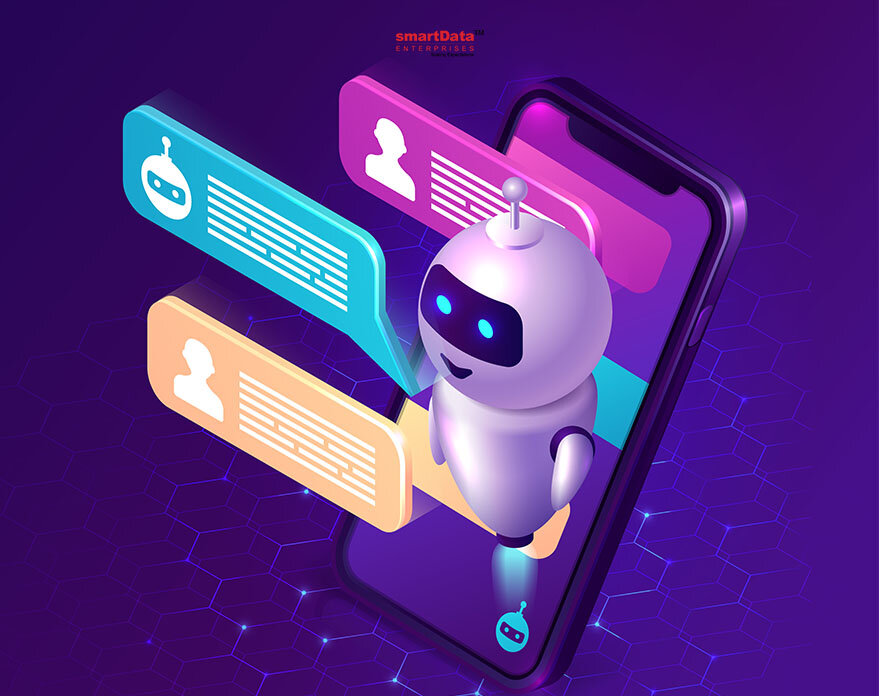
The integration of AI chatbots into customer service has been fueled by advancements in natural language processing (NLP) and machine learning. These technologies enable chatbots to understand and respond to user inquiries in a conversational manner, mimicking human interaction. Unlike traditional automated systems that rely on pre-programmed responses, modern AI chatbots can learn from past interactions, improving their accuracy and effectiveness over time. This adaptability makes them particularly well-suited for handling complex queries and providing tailored solutions. In the United States, where consumer expectations are high and competition is fierce, businesses are turning to AI chatbots to stay ahead of the curve. By automating routine tasks such as answering FAQs, processing orders, and troubleshooting issues, companies can free up human agents to focus on more critical and nuanced problems.
Benefits of AI Chatbots for Businesses
One of the most significant advantages of AI chatbots is their ability to provide round-the-clock support. Unlike human agents who require breaks and work within specific hours, chatbots can handle customer inquiries at any time, ensuring that users receive assistance whenever they need it. This level of availability is especially valuable for global businesses operating in multiple time zones. Additionally, AI chatbots can manage a large volume of requests simultaneously, reducing wait times and improving overall customer satisfaction. For example, a major retail company might use a chatbot to handle thousands of order tracking and return requests each day, significantly decreasing the workload on customer service teams.
Another key benefit is cost efficiency. Implementing an AI chatbot can reduce the need for extensive customer service staff, leading to long-term savings for businesses. According to industry reports, companies that have adopted AI chatbots have seen a reduction in operational costs by up to 30%. Furthermore, chatbots can collect and analyze customer data in real-time, providing insights that help businesses refine their strategies and improve their offerings. This data-driven approach allows companies to make informed decisions, ultimately enhancing their competitiveness in the market.
Enhancing User Experience Through Personalization
Personalization is another area where AI chatbots excel. By analyzing user behavior and preferences, chatbots can deliver customized recommendations and responses that resonate with individual customers. This level of personalization fosters stronger customer relationships and increases loyalty. For instance, a financial institution might use a chatbot to offer tailored investment advice based on a user’s financial history and goals. Similarly, an online retailer could use a chatbot to suggest products that align with a customer’s browsing and purchase patterns.
Moreover, AI chatbots can integrate seamlessly with other digital tools, such as social media platforms and mobile apps, creating a unified customer experience. This integration allows businesses to engage with customers across multiple channels, ensuring consistent communication and support. As consumers become more accustomed to instant and personalized interactions, the demand for AI-powered customer service solutions is expected to grow.
Challenges and Considerations
Despite their many benefits, AI chatbots also present certain challenges that businesses must address. One of the primary concerns is the potential for errors or misunderstandings. While AI has made significant strides, it is not infallible. Chatbots may struggle with complex or ambiguous queries, leading to frustration among users. To mitigate this, companies often implement fallback mechanisms that route difficult cases to human agents. This hybrid approach ensures that customers receive accurate and satisfactory assistance while still benefiting from the efficiency of AI.
Another challenge is maintaining a balance between automation and human touch. While chatbots can handle routine tasks, some customers prefer interacting with a real person, especially for sensitive or emotional issues. Businesses must strike the right balance, using chatbots to handle straightforward requests while reserving human support for more complex situations. Additionally, data privacy and security remain critical concerns. As chatbots collect and process vast amounts of customer information, companies must ensure that they comply with relevant regulations and protect user data from breaches.
The Future of AI Chatbots in Customer Service
Looking ahead, the future of AI chatbots in customer service appears promising. As technology continues to advance, chatbots will become even more sophisticated, capable of understanding context, emotions, and subtle nuances in conversation. This evolution will further enhance their ability to provide meaningful and engaging interactions. Moreover, the integration of emerging technologies such as voice recognition and augmented reality could open new possibilities for customer service, making interactions more immersive and intuitive.
In the United States, where innovation is a driving force, businesses that embrace AI chatbots will be well-positioned to thrive in an increasingly competitive market. By leveraging these tools effectively, companies can not only improve their customer service but also drive growth and foster long-term success. As the landscape of customer service continues to evolve, AI chatbots will undoubtedly play a central role in shaping the future of business-customer interactions.


Comments
Post a Comment