5G and Beyond: The Future of Connectivity in the United States
5G and Beyond: The Future of Connectivity in the United States is reshaping the technological landscape, offering unprecedented speed, reliability, and capacity. As the United States continues to lead in innovation, the rollout of 5G networks has become a cornerstone of modern infrastructure. This article explores the current state of 5G technology, its impact on various sectors, and what the future holds as we look beyond 5G.
The Evolution of Wireless Technology
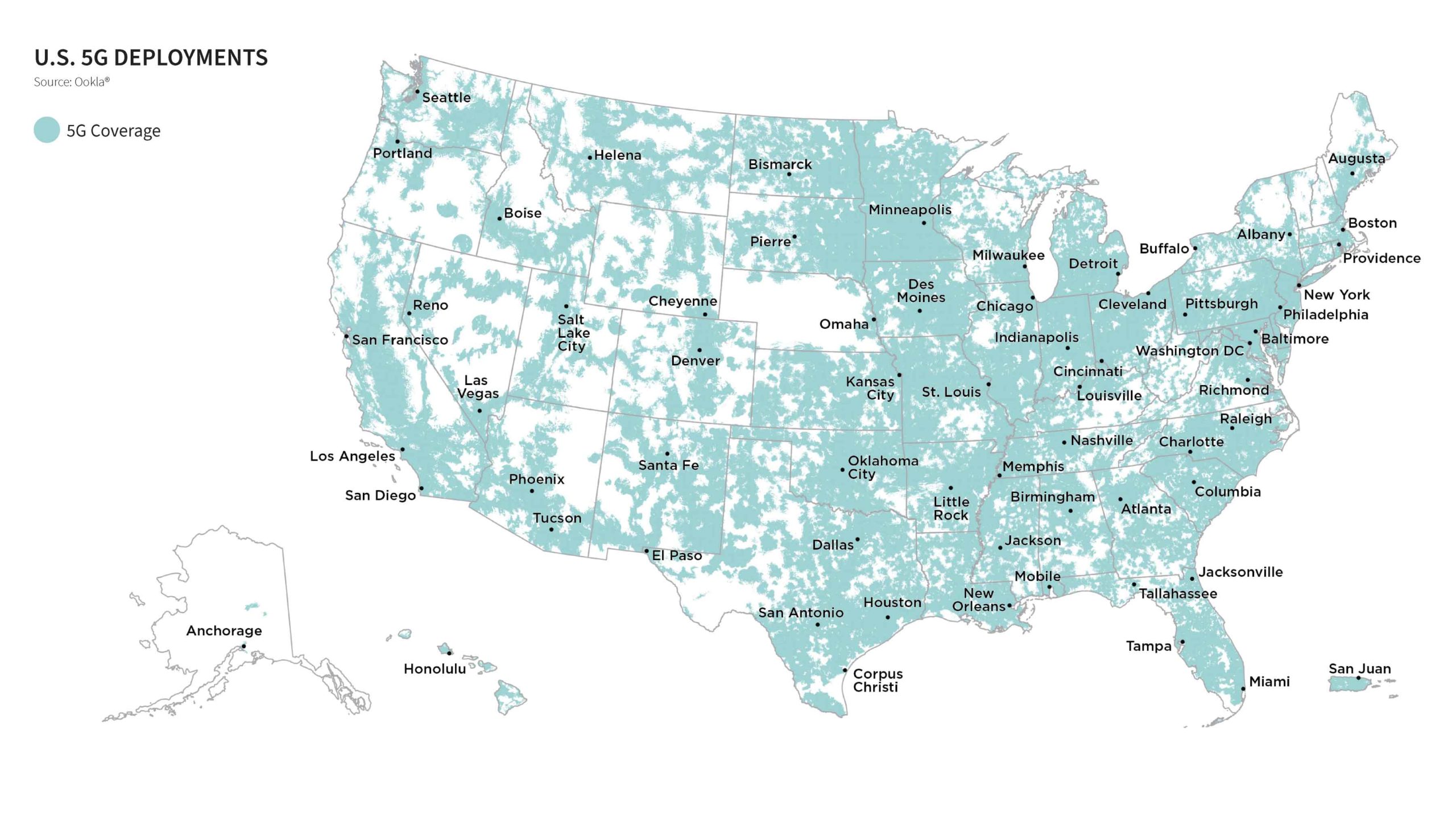
The journey from 1G to 5G has been marked by significant advancements in wireless communication. 1G, introduced in the 1980s, allowed for basic voice calls, while 2G brought digital voice and text messaging. 3G enabled mobile internet access, and 4G LTE revolutionized data speeds, making streaming and mobile applications more accessible. Now, 5G promises even greater capabilities, with download speeds up to 100 times faster than 4G and significantly lower latency.
This evolution has not only enhanced consumer experiences but also paved the way for new technologies such as the Internet of Things (IoT), smart cities, and autonomous vehicles. The ability to connect billions of devices seamlessly is a key driver of this transformation.
The Impact of 5G on Industries
The implementation of 5G is having a profound impact across multiple industries. In healthcare, for instance, 5G enables remote surgeries, real-time patient monitoring, and improved telemedicine services. With low latency and high-speed connectivity, medical professionals can perform complex procedures from distant locations, improving access to care for patients in rural areas.
In the manufacturing sector, 5G supports the deployment of smart factories, where machines communicate with each other in real time. This results in increased efficiency, reduced downtime, and better quality control. Additionally, the use of augmented reality (AR) and virtual reality (VR) in training and maintenance is becoming more prevalent, further enhancing productivity.
Transportation is another area experiencing significant changes due to 5G. Autonomous vehicles rely on fast, reliable connectivity to navigate safely and efficiently. The integration of 5G with vehicle-to-everything (V2X) communication allows cars to share data with other vehicles, infrastructure, and pedestrians, reducing accidents and improving traffic flow.
Challenges and Considerations
Despite the promise of 5G, there are several challenges that need to be addressed. One of the primary concerns is the infrastructure required to support 5G networks. Unlike previous generations, 5G requires a denser network of small cells, which can be costly and time-consuming to deploy. Additionally, there are ongoing debates about the health effects of 5G radiation, although scientific studies have not found conclusive evidence of harm.
Another challenge is the digital divide. While urban areas are quickly adopting 5G, rural communities may lag behind due to limited infrastructure and investment. Ensuring equitable access to high-speed internet is crucial for fostering economic growth and social inclusion.
The Road Ahead: 6G and Beyond
Looking ahead, the next frontier in connectivity is 6G, which is expected to be developed in the 2030s. 6G will build upon the capabilities of 5G, offering even faster speeds, ultra-low latency, and advanced AI integration. It is anticipated that 6G will enable new applications such as holographic communication, brain-computer interfaces, and fully autonomous systems.
The development of 6G will require collaboration between governments, private companies, and research institutions. Investment in research and development, along with the establishment of global standards, will be essential for the successful deployment of 6G technology.
Conclusion
As the United States continues to embrace 5G and beyond, the potential for innovation and economic growth is immense. The transition to 5G is not just about faster internet; it is about transforming how we live, work, and interact with the world around us. While challenges remain, the opportunities presented by 5G and future technologies are vast. By addressing infrastructure gaps, ensuring equitable access, and investing in research, the U.S. can position itself as a leader in the next era of connectivity.


Comments
Post a Comment