Top 10 Latest Digital Transformation Strategies Every Business Needs to Know in 2025
Top 10 Latest Digital Transformation Strategies Every Business Needs to Know in 2025 is a critical guide for organizations aiming to stay competitive in an increasingly technology-driven market. As businesses continue to adapt to the evolving digital landscape, implementing effective strategies becomes essential for growth and sustainability. In this article, we explore the top 10 digital transformation strategies that every business should be aware of in 2025.
Embrace Cloud-Native Technologies
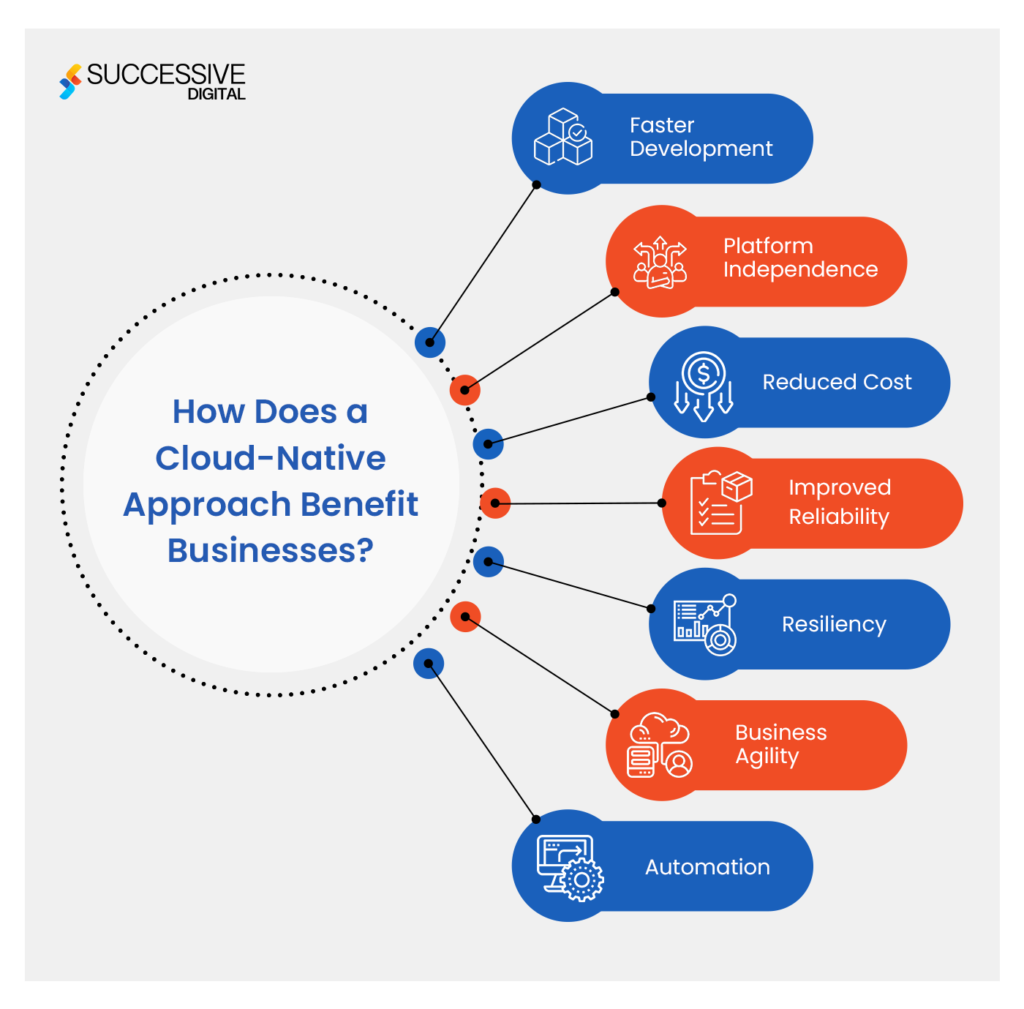
One of the most significant trends in digital transformation is the shift towards cloud-native technologies. These technologies enable businesses to build and run applications that take full advantage of cloud computing capabilities. By adopting cloud-native approaches, companies can achieve greater scalability, flexibility, and cost efficiency. This strategy involves using microservices, containerization, and DevOps practices to streamline application development and deployment.
Invest in Artificial Intelligence and Machine Learning
Artificial intelligence (AI) and machine learning (ML) are revolutionizing how businesses operate. From automating routine tasks to gaining insights from data, AI and ML offer numerous benefits. Companies that invest in these technologies can enhance customer experiences, optimize processes, and make data-driven decisions. Implementing AI solutions such as chatbots, predictive analytics, and personalized marketing can significantly improve operational efficiency and customer satisfaction.
Prioritize Data Security and Privacy
With the increasing amount of data being generated and stored, ensuring data security and privacy has become a top priority. Businesses must implement robust cybersecurity measures to protect sensitive information from breaches and cyber threats. This includes adopting encryption techniques, multi-factor authentication, and regular security audits. Additionally, compliance with regulations such as GDPR and CCPA is crucial to maintaining customer trust and avoiding legal repercussions.
Enhance Customer Experience Through Personalization
Personalization is no longer a luxury but a necessity in today's market. Customers expect tailored experiences based on their preferences and behaviors. Businesses can leverage data analytics and AI to create personalized interactions across various touchpoints. By understanding customer needs and delivering relevant content, companies can increase engagement, loyalty, and conversion rates. This strategy involves integrating customer relationship management (CRM) systems and utilizing advanced analytics tools.
Adopt Agile and Hybrid Work Models
The rise of remote work and flexible schedules has transformed the way businesses operate. Adopting agile and hybrid work models allows companies to maintain productivity while offering employees greater flexibility. This approach involves using collaboration tools, project management software, and virtual communication platforms to facilitate seamless teamwork. By embracing these models, businesses can attract and retain talent, reduce overhead costs, and improve employee satisfaction.
Leverage Internet of Things (IoT) for Operational Efficiency
The Internet of Things (IoT) is enabling businesses to collect and analyze data from connected devices. This technology can be used to monitor equipment performance, track inventory, and optimize supply chain operations. By integrating IoT solutions, companies can gain real-time insights, reduce downtime, and improve overall efficiency. For example, smart sensors can alert maintenance teams to potential issues before they escalate, minimizing disruptions and saving costs.
Focus on Digital Employee Experience
As businesses transition to digital workflows, the employee experience becomes a critical factor in success. Providing employees with the right tools and training is essential for fostering a productive and engaged workforce. This includes investing in user-friendly software, offering continuous learning opportunities, and creating a supportive digital culture. A positive digital employee experience can lead to higher productivity, lower turnover, and better overall performance.
Utilize Big Data Analytics for Strategic Decision-Making
Big data analytics allows businesses to process and analyze large volumes of data to uncover valuable insights. By leveraging these insights, companies can make informed decisions and anticipate market trends. This strategy involves using advanced analytics tools to identify patterns, predict outcomes, and optimize business strategies. For instance, retailers can use big data to understand consumer behavior and adjust their inventory and marketing strategies accordingly.
Implement Sustainable Digital Practices
Sustainability is becoming an integral part of digital transformation. Businesses are increasingly focusing on reducing their environmental impact through energy-efficient technologies and sustainable practices. This includes using renewable energy sources, minimizing electronic waste, and promoting eco-friendly initiatives. By adopting sustainable digital practices, companies can not only reduce costs but also enhance their brand reputation and appeal to environmentally conscious consumers.
Foster a Culture of Innovation and Continuous Improvement
Finally, fostering a culture of innovation and continuous improvement is essential for long-term success. Encouraging employees to experiment, share ideas, and learn from failures can drive creativity and problem-solving. This involves creating an environment where innovation is valued and supported through resources, training, and recognition. By embracing a mindset of continuous improvement, businesses can stay ahead of the competition and adapt to changing market conditions.


Comments
Post a Comment